All that was left in our 19-year-old’s bedroom was a tired mattress, a few pieces of unwanted clothing dangling from hangers, and packing material scattered like confetti on the floor. I prayed, Now what, Lord? but the words seemed to hit the ceiling and shatter into tiny pieces. After months of trying to work things out, there was nothing left to do but stand in the silence and grieve.
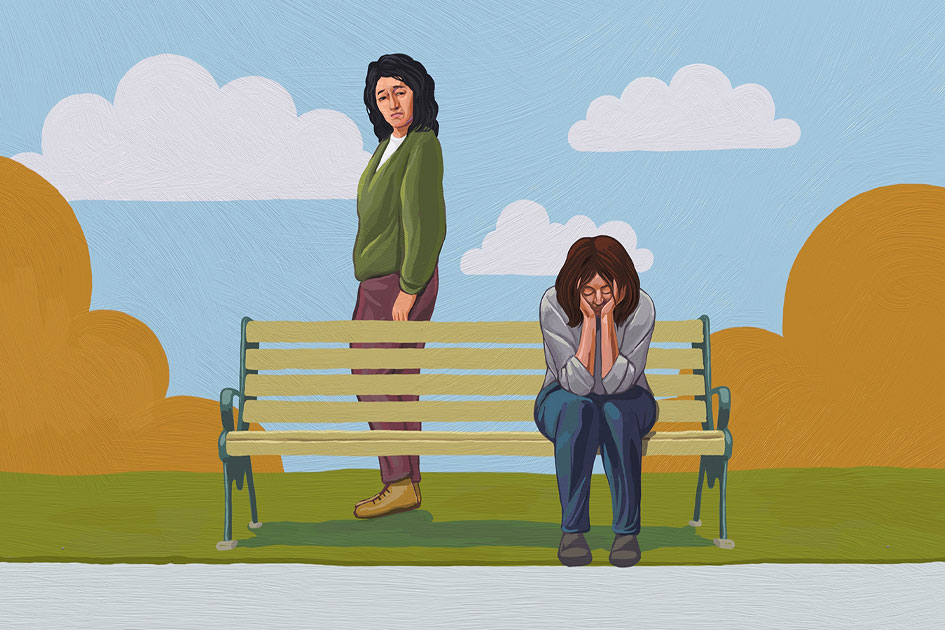
For a while, it seemed as though we were navigating a garden variety teen conflict. But my husband and I were not prepared for the way things had escalated during the last tumultuous year. After making a long series of dangerous decisions, our beloved child engaged in increasingly self-destructive behavior with increasingly toxic companions before moving out to pursue “freedom.”
Though the pain was very real, I shouldn’t have been surprised. There is a time for every movement in each season of our earthly life, the author of Ecclesiastes tells us: mourning and dancing, tearing and mending, birth and death. The beautiful symmetry found in the listed pairings of opposites (Ecclesiastes 3:2-8) emphasizes the range and diversity of human experience. But when one season of life shifts to another, that transition can be very disorienting if it moves from a time of joy and excitement to one of loss and unwelcome change.

After our child left, I was filled with regret and continually second-guessed every parenting decision my husband and I ever made—from the type of diapers we had used to our house rules about curfew. Desperate for guidance, we reached out to well-intentioned friends. Many offered advice (much of it contradictory), which included praying more, fasting, and claiming specific though often out-of-context Bible promises for our family. Some urged offering economic help while others suggested zero financial assistance; some recommended enforcing strict boundaries while others encouraged an unconditional invitation to come home, unchanged behavior notwithstanding. At one point or another we tried most of the counsel we received, but none of it altered the trajectory of our family’s unfolding prodigal story. By the time our child moved out, we were exhausted and more confused than ever.